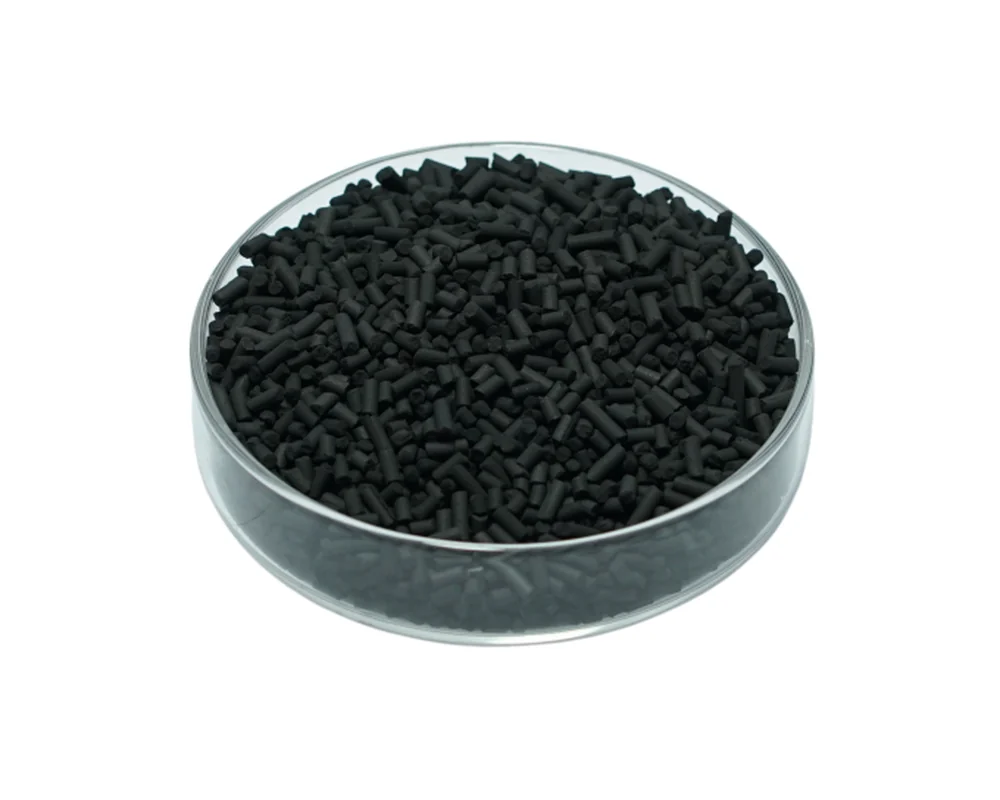
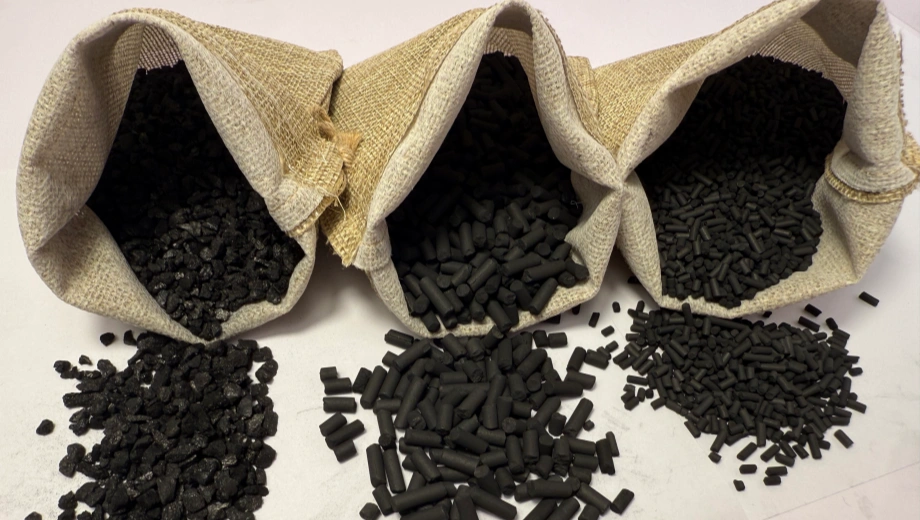
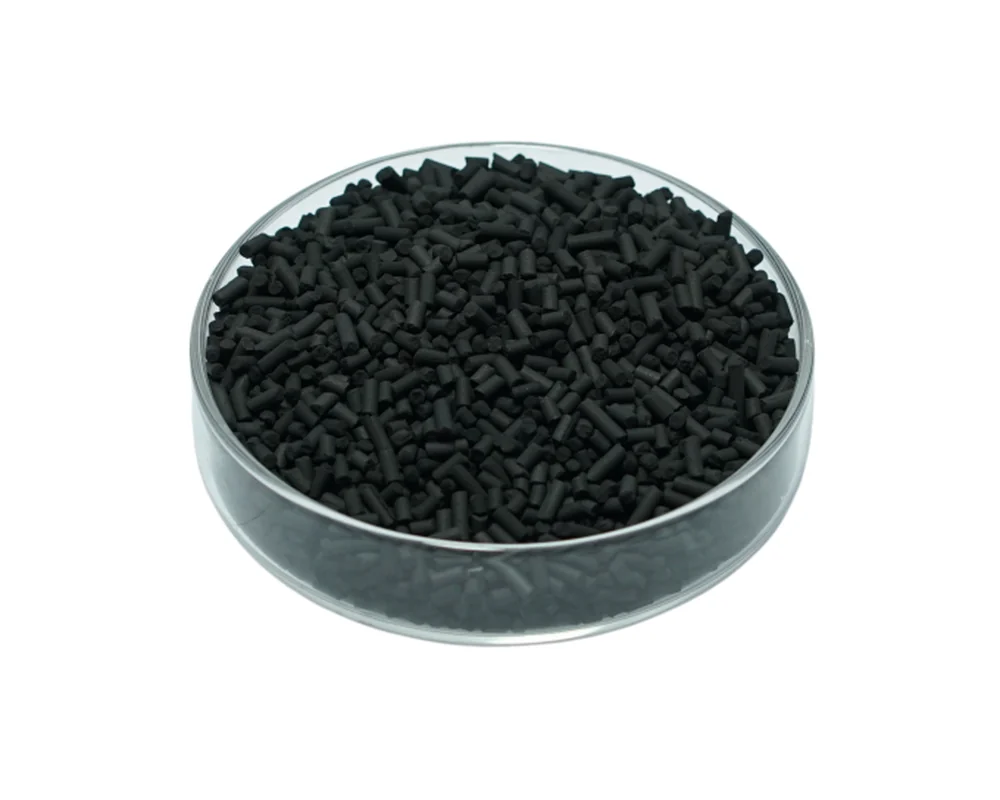
There is virtually no doubt that China is the world’s largest producer and exporter of activated carbon. China’s export volume stood at 316,900 tonnes in 2024 and rose further to 375,200 tonnes in 2025, with an export value of approximately US$483 million. No other country’s export scale compares; China consistently maintains an export volume exceeding 200,000 tonnes, firmly holding the top spot globally.

Latest Export Data:
2024: Export volume was 316,900 tonnes, up 4.86% year-on-year; import volume was 48,200 tonnes, up 19.01% year-on-year.
2025: Export volume was 375,200 tonnes, up 18.4% year-on-year; export value was US$483 million, up 8.2% year-on-year.
China’s activated carbon exports are primarily concentrated in traditional markets such as Japan and South Korea, though emerging markets have seen rapid growth in recent years: Japan: 2025 export value of $56.559 million (11.7% of the total), making it the largest export market
South Korea: 2025 export value of $41.428 million (8.6% of the total)
Other key markets: India, Belgium, Italy Fastest-growing markets: Mozambique (compound growth rate of 96.9%), Sudan (73.0%), Ghana (62.3%), Uzbekistan (48.6%), and the UAE (41.6%)
Key Challenges Facing Exports
Impact of Carbon Tariffs (CBAM): The EU’s Carbon Border Adjustment Mechanism (CBAM) could drive up export costs for coal-based activated carbon by 15%–25%; export contributions may peak once compliance costs take full effect in 2025.
Structural Imbalances:There is overcapacity and cutthroat price competition in the low-end coal-based powdered carbon sector, whereas high-end products—such as coconut-shell carbon, pharmaceutical-grade carbon, and supercapacitor carbon—face supply shortages and high import dependency.
Transportation and Compliance Constraints: Only a limited number of shipping lines (e.g., COSCO, OOCL) handle activated carbon shipments; exporters must prepare commercial invoices, packing lists, and MSDS reports in advance, while wood-based products additionally require fumigation certificates and phytosanitary certificates.
Targeted Export Controls:Exports of activated carbon to Myanmar, Laos, and Afghanistan require specific export licenses for dual-use items and technologies, subject to a “one license per shipment” and “one license per customs clearance” regulatory regime.