Client Issue:
A municipal water treatment plant using coconut shell granular activated carbon for advanced treatment received customer complaints about odor in tap water. Residual chlorine fluctuated widely (0.05–0.8 mg/L), failing to stabilize within the standard range of 0.3–0.5 mg/L.
Initial Misdiagnosis:
The client suspected declining carbon adsorption capacity and planned to increase dosage or change carbon type.
Our Diagnosis:
Sampling and testing showed the iodine value remained above 1000 mg/g, indicating good adsorption performance. Further investigation revealed:
1.Fluctuating inlet residual chlorine
Unstable upstream chlorination caused drastic load changes on the carbon bed;
2.Insufficient empty bed contact time (EBCT)
Excessive flow rate resulted in only 3 minutes of actual contact time, far below the recommended 10–15 minutes;
3.Improper backwash cycle
Extended backwash intervals allowed trapped impurities to accumulate, forming biofilm that caused odors.
Solution:
- Installed online residual chlorine monitoring and automatic chlorination control upstream;
- Adjusted flow rate to extend EBCT to 12 minutes;
- Optimized backwash cycle (from 72 hours to 48 hours) with air-water combined backwashing;
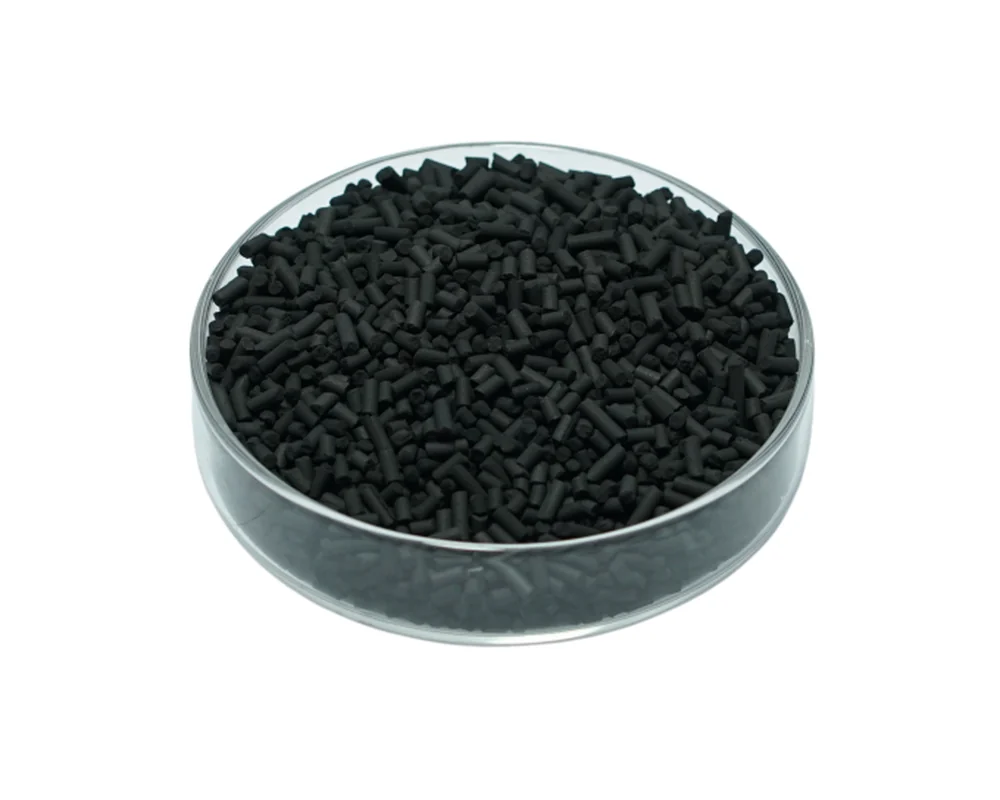
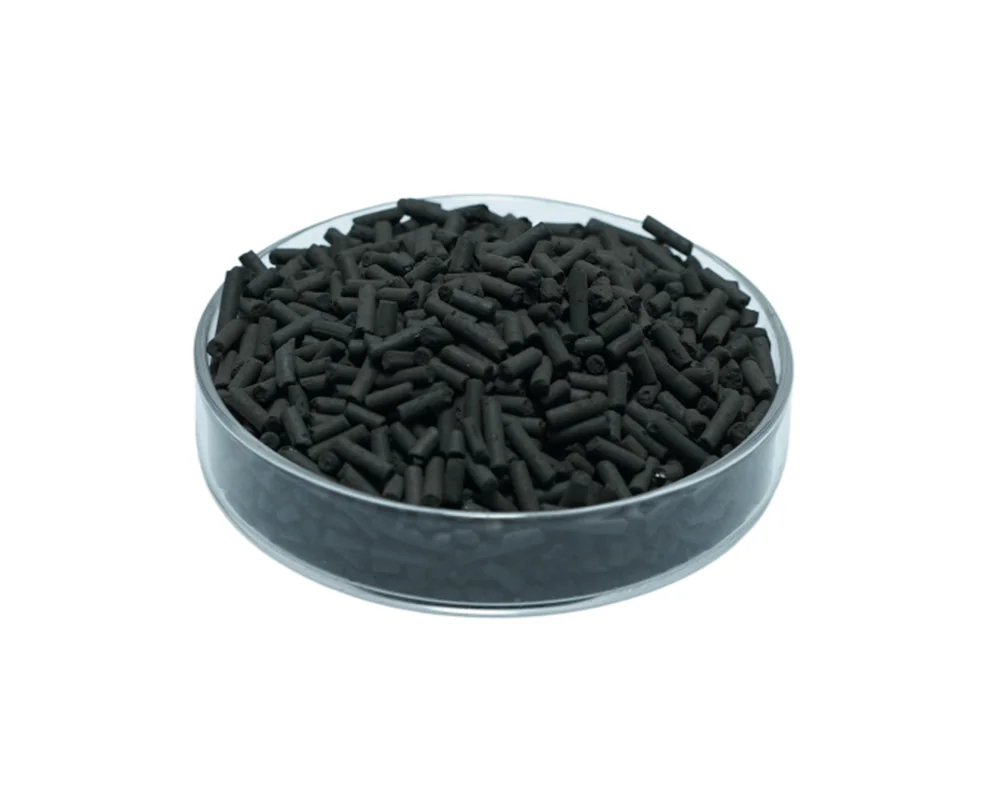
- Recommended 8×30 mesh coconut shell granular activated carbon.
Result:
Outlet residual chlorine stabilized at 0.3–0.5 mg/L, odor complaints eliminated, and customer satisfaction significantly improved.
Key Takeaway:
Poor water treatment performance is often not a carbon issue. Inlet water quality stability, contact time, and backwash management are key to ensuring output quality.