Client Issue:
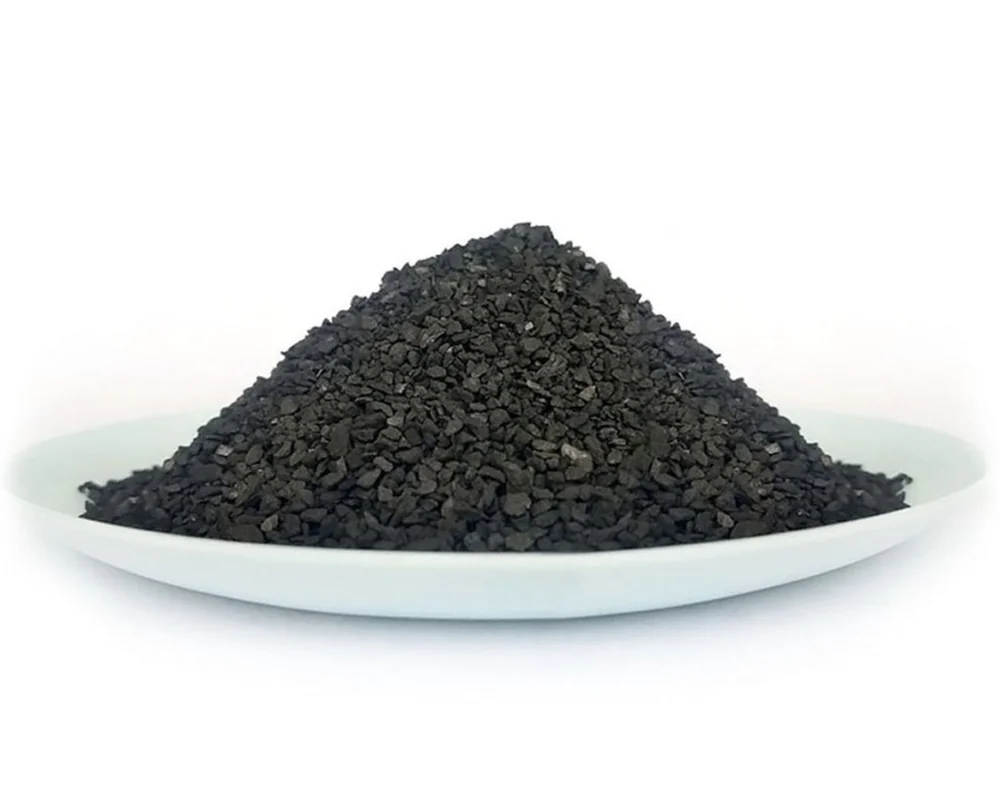
An auto parts spray painting company using coal-based granular activated carbon for VOCs treatment received environmental testing results showing non-methane hydrocarbon concentration exceeded the limit (>80 mg/m³).
Initial Misdiagnosis:
The client assumed the carbon was saturated and planned to replace the entire batch.
Our Diagnosis:
On-site testing showed the iodine value remained at 850 mg/g. Further investigation revealed:
1.Missing pre-filtration
Failed paint mist filter allowed particles to clog pores;
2.Uneven airflow distribution
Short-circuiting prevented full carbon utilization;
3.Excessive replacement cycle
Over 2,000 hours of continuous operation, far exceeding the recommended 500-hour cycle.
Solution:
- Replaced pre-filters with two-stage dry filtration;
- Optimized airflow distribution plate for uniform velocity;
- Established a regular replacement plan (every 500 hours or 3 months) with differential pressure monitoring;
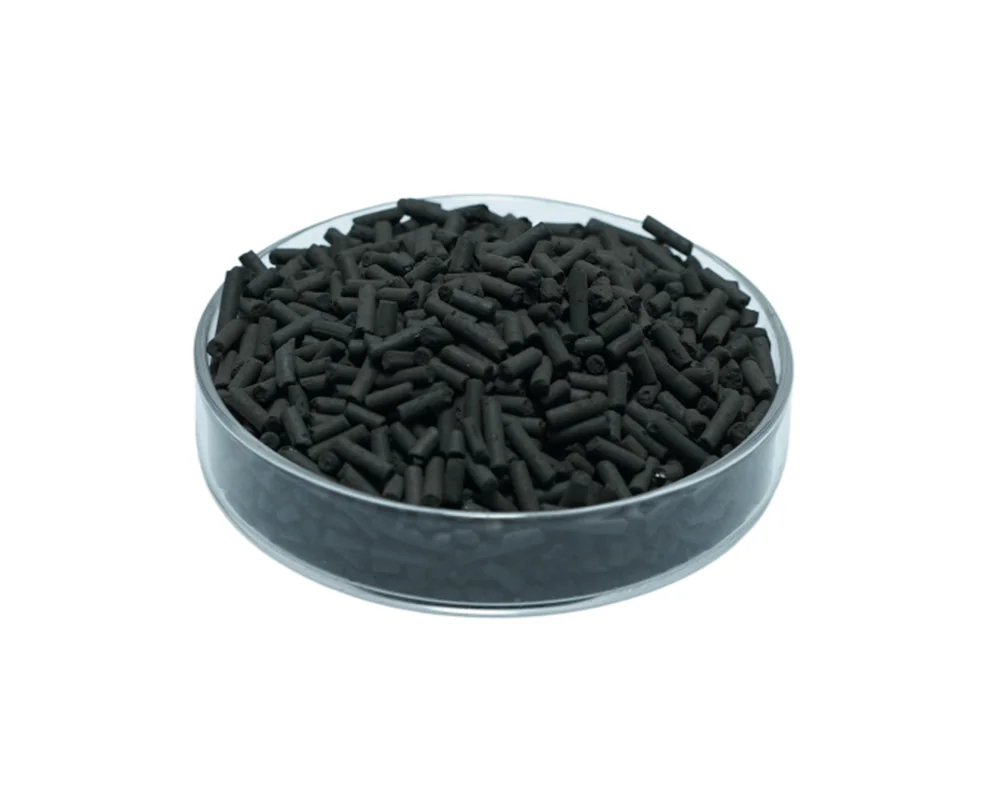
- Recommended 4mm columnar activated carbon.
Result:
Non-methane hydrocarbon concentration dropped below 20 mg/m³, far below emission standards. The client passed environmental compliance inspection successfully.
Key Takeaway:
Poor VOCs treatment performance is often not a carbon issue. Pre-treatment, airflow distribution, and replacement cycles are equally critical.